🎉 Let's Have Fun!
Hello, friends! Let's learn about fun things to do. We will learn new words and how to talk about our favorite activities.
🎈 Unit 1 · Entertaining Myself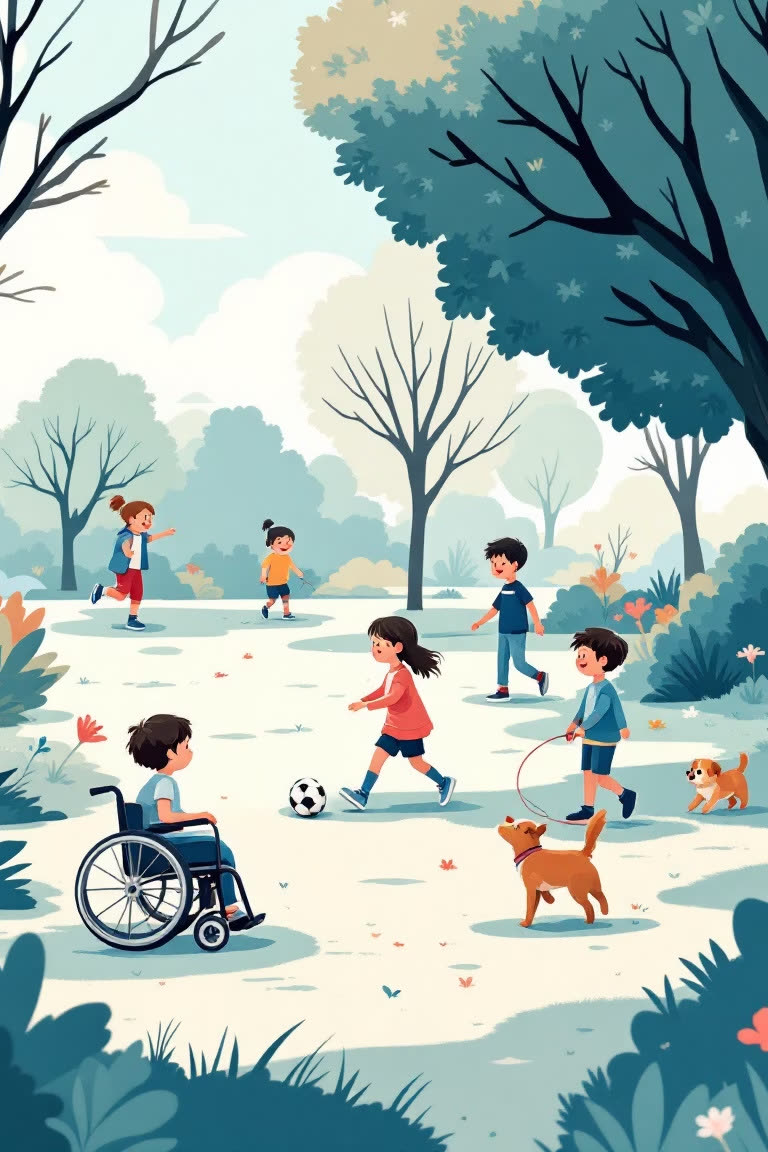
What do we do for fun?
This is our first English lesson of the year! Tap all the things we do for fun in our free time. Careful, two of them are not fun activities! 😉
0 / 6 fun activities found.
🔍 Leisure Activities
Look at the big picture, think, and choose your answers. There is no wrong answer here!
🤔 Look at the picture. What are the children doing?
🤔 How do we say what we like? Choose the sentence you think is right.
✨ Good thinking! We will check your ideas a little later.
🗝️ A key word: a hobby
A hobby is a leisure activity: something you love doing in your free time, like drawing, swimming or reading books. It's good to have many hobbies!
💡 Un « hobby », c'est un loisir : une activité que tu aimes faire pendant ton temps libre.
🛠️ Look, listen and write
1- Look and listen. 🎧 Press the button to hear the activities. 2- Write the words and expressions under the right pictures.
Fun things to do in your free time
These are things we do for fun when we are not in school or doing homework. Read each card and press 🔊 to hear it.
Going to the cinema
Watch movies with friends or family.
Listening to music
Enjoy your favorite songs and dance!
Playing sports
Run, jump, and play games outside.
Drawing
Create beautiful pictures with colors.
Visiting museums
See old things and learn new history.
Gardening
Help plants grow in your garden.
Reading books
Open a book and discover new stories.
Playing computer games
Have fun with games on a computer or tablet.
Fishing
Catch fish by the lake or sea.
Swimming
Splash and play in the water.
Dancing
Move your body to the music.
Riding a bike
Cycle around your neighborhood and feel the wind.
I like… / I hate…
We can talk about what we like and don't like. Listen to the two friends.
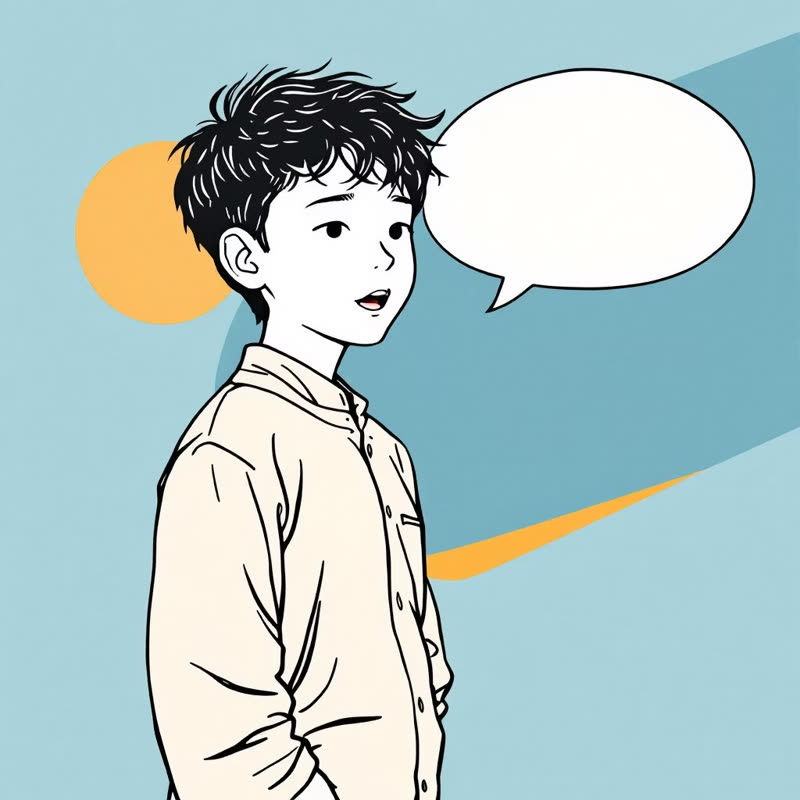 I like riding a bike. 😀
 I hate playing computer games. 🙁
Which free time activities do you like / love or don't like / hate?
Tick (✓) the appropriate box for each activity. There is no wrong answer: it's about you!
| Hobby / Activity | Like + | Love ++ | Don't like − | Hate −− |
|---|
Read the dialogue
Read and listen to the dialogue. Then enact a similar one about your favorite hobby / hobbies with a friend, and swap roles (you can write it in “I play the dialogue” below).
- Learner A:What's your favorite hobby?
- Learner B:Well, I like riding bikes. What about you?
- Learner A:I enjoy listening to music in my free time but I hate playing video games.
- Learner B:Why do you hate playing video games?
- Learner A:I hate it because it's boring.
Likes or dislikes?
Click on a sentence, then click on the right box.
😀 I like it (like / enjoy)
🙁 I don't like it (hate / don't like)
Expressing likes
Look at the sentences you know: I enjoy listening to music. I like riding bikes. Now complete the rule.
Expressing likes: like / enjoy + verb + ing
When we talk about activities we like, we add “-ing” to the verb.
like + verb + ing
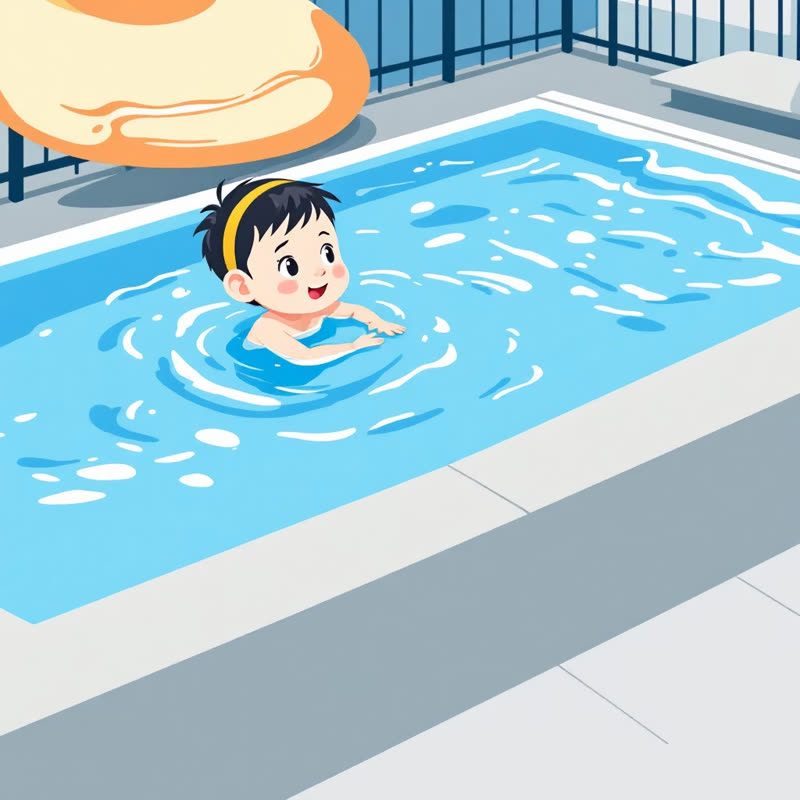
I like swimming.

They like playing sports.
enjoy + verb + ing

She enjoys reading books.

We enjoy going to the cinema.
⚠️ Remember to always add “-ing” when you use “like” or “enjoy” with an action!
😀 Expressing likes: enjoy / like + verb + ing · 🙁 Expressing dislikes: hate / dislike + verb + ing
💡 Avec he / she, on ajoute un -s au verbe : she enjoys, he likes.
Using “because”
We use “because” to tell why we like or don't like something. It helps us explain our feelings and choices!
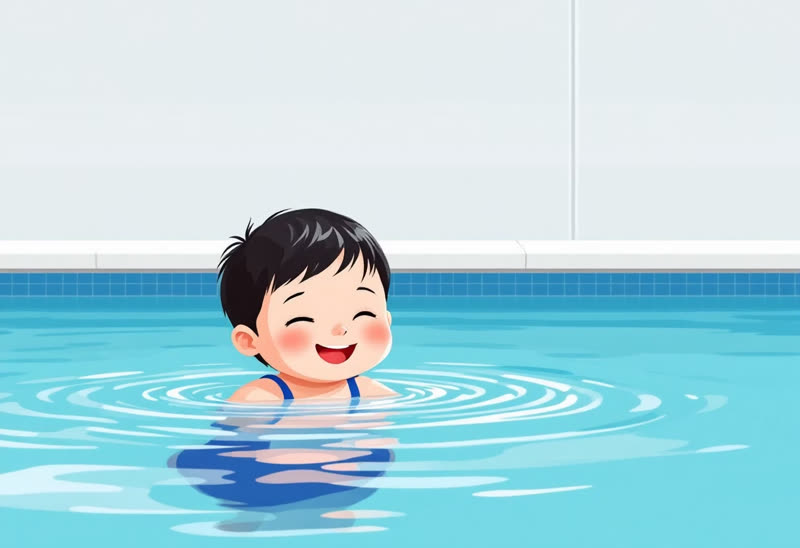
I like swimming because it's fun.
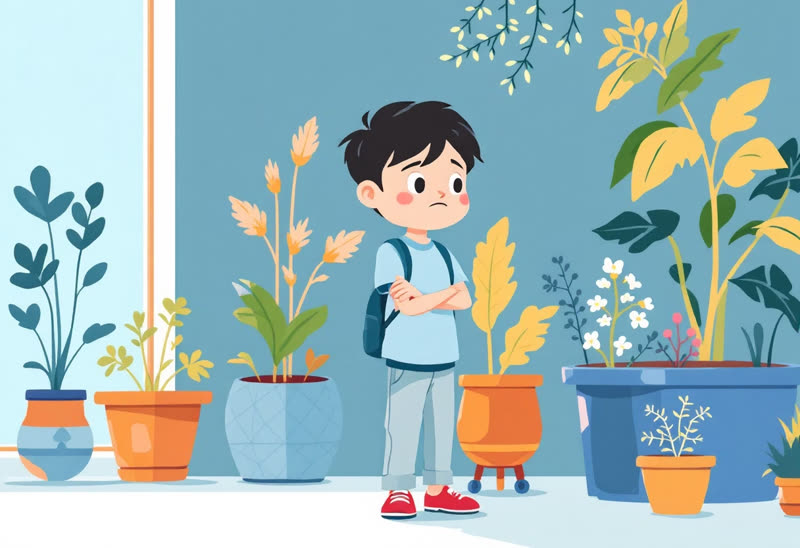
He doesn't like gardening because it's boring.

She enjoys reading because it's easy.
What does he / she enjoy doing?
Look at the example (a), then complete the sentences. Careful: William enjoys (one person: -s) but Rex and Kate enjoy (two people: no -s). Don't forget the -ing!
Were you right?
Let's check the ideas you chose at the beginning of the lesson.
Listen. Cross the odd word out
Listen to the underlined “i” and find the word that sounds different. Press each word to hear it, then choose your answer.
Circle the five free time activities inside the crocodile
Find the five free time activities hidden in the letters. Click on the first letter of an activity, then on its last letter.
0 / 5 activities found.
My Free Time — pronunciation lab
Here is an example of how to talk about your hobbies. Look at each picture, listen, practice out loud, then answer with your own words.
🎤 I reuse what I learned
Use the new words and sentences to talk about the pictures, with a friend, and about you!
the lesson's words the lesson's sentence patterns — well done if you find them in your answer!
1) I talk about the friends
Look again at the pictures of William, Rex and Kate, Carla, Steve and Henry. Say what each one enjoys doing.
2) I play the dialogue (pair work)
Enact a dialogue similar to the one of Learner A and Learner B about your favorite hobby / hobbies. Ask a question, say what you like and what you hate (but), and say why (because). Then swap roles!
✍️ Let's write: Now what about you?
Write a short paragraph about: the activities you like doing in your free time, and say why you like doing them. Use the following expressions:
🏆 I assess what I learned
First a quick check, then a real speaking task, like at school.
✅ Quick check
📋 Speaking task: My free time
📝 Task
Talk about your free time in at least five sentences: say what you like or enjoy doing, what you don't like doing, and why.
- At least 5 sentences
- like / enjoy + verb + ing (I like drawing, I enjoy reading books…)
- something you don't like (I don't like… / I hate…)
- because + it's fun / boring / easy / difficult
📌 Sentences and words to remember
Click on a card to hear it, then say it out loud. Learn these key sentences by heart!
“I like swimming.”
🔊 click to listen“She enjoys reading books.”
🔊 click to listen“I hate playing computer games.”
🔊 click to listen“I like swimming because it's fun.”
🔊 click to listen“He doesn't like gardening because it's boring.”
🔊 click to listen😀 like / enjoy + verb + ing
When we talk about activities we like, we add “-ing” to the verb: I like swimming, we enjoy going to the cinema. Remember to always add “-ing” when you use “like” or “enjoy” with an action!👧 he / she → enjoys, likes
With he or she, the verb takes an -s: William enjoys riding a bike, she likes dancing. With I, you, we, they: no -s — they like playing sports.❓ because
We use “because” to tell why we like or don't like something: I like swimming because it's fun. It's fun / It's boring / It's easy / It's difficult.You won 0 stars today!
🎓 My English diploma
I,
can talk about my hobbies in English: “Let's Have Fun!”